"[gallery link="file"] It's a bit of a cliché to say that cars are often the stars of many a movie. But sometimes its not the tyre smoking rubber-laying car-chase moments through cinematic streets that are the lasting impressions. There "


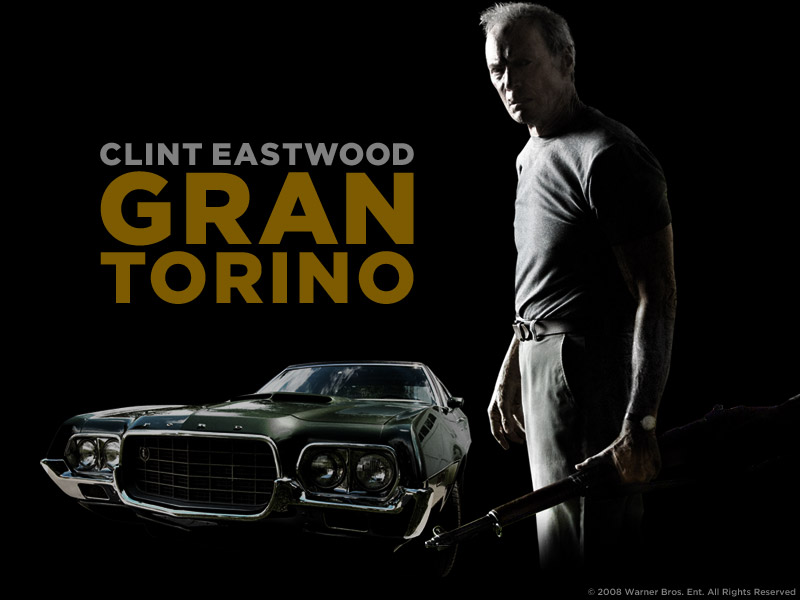
Something is happening out there. It’s obvious that with the increasing environmental pressures facing the planet – and the regulatory regimes being put in place the world over to attempt to curtail the internal combustion engine’s contribution to climate change – that the meaning of the motor car is bound to change in people’s minds. But the rate of that change is what is truly astounding. While it is generally accepted by even the most rev-headed amongst us that unrestricted emissions and V8s for everyone would mean a dirty, screwed up environment for our children’s children, and that something must ultimately be done about it, the aesthetic of the powerful vehicle remains deeply rooted and celebrated. In fact, it seems that the more it becomes overly expensive, impractical and (perhaps) unethical to use a particulate spewing behemoth as your daily ride, the more these machines become transmuted to the realms of the icon. The image of these icons however, in these twisted times, warps and shudders like a flame in the wind. In America muscle cars have always represented a particular kind of youthful irresponsibility. Bursting with unashamed Detroit brawn, they were the sort of vehicles that helped sustain America’s idea of itself during the oil crises of the early seventies. But in Gran Torino, the latest box office hit from Clint Eastwood, the fastbacked speedster (and star of seventies cop series Starsky and Hutch) represents a simpler world, one that, we are led to presume, we should hanker after and at the same time be slightly ashamed of. Clint’s character is a Korean war veteran and an embittered ex auto worker. He keeps his green 1972 Gran Torino Sport (which he helped bring into the world) pristine and protected behind the doors of his garage, away from the streets of a neighbourhood wracked by what he perceives as untimely change and ethnic discord. When members of a local gang steals the car, all hell is unleashed. But what looks at first glimpse like Eastwood rediscovering his anachronistic Dirty Harry-ness turns out to be a sensitive, thought-provoking meditation on prejudice, change and the place of the motorcar in the American psyche. With workers in the Auto industry the world over being forced to look at their future more urgently than ever, the release is a timely piece of mind food with real relevance if you care about your cars.
CLICK TO ENLARGE

"What message do we leave for the future? A handbook for survival, stories from the past. Who would believe such mythical beasts existed, without evidence? When petrol pumps become museum pieces, the scent of fuel remains as a distant memory, "

"Bolt London is a colourful, textured Aladdin's cave of all things bike and all things good. We spent some time with a paragon of London’s creative bike scene. Bolt London is nestled in an atmospheric stable yard just off "

"Cosworth recently teamed up with Gordon Murray Automotive to develop a naturally aspirated, 3.9-litre V12 engine to power the GMA T.50 supercar, which will be the first ever GMA vehicle ever to go into production. In case you didn’t "


